



Why We Still Believe in Taking the Time to Do Things Properly
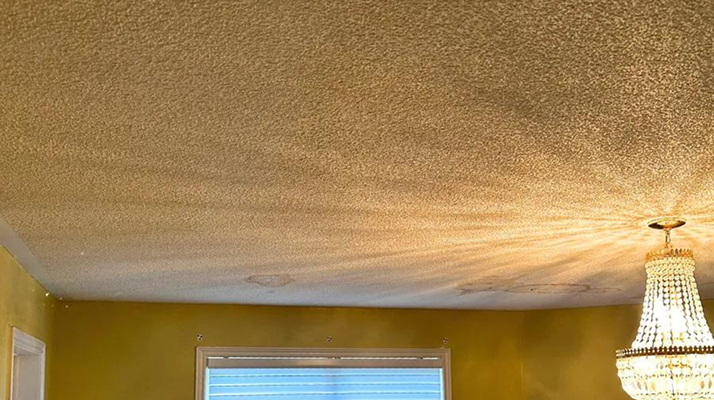
Everything moves faster now. Repairs are expected to be quick. Results are expected immediately. In home work, that pressure shows up in subtle ways. Prep is shortened. Drying time is rushed. Finishes are done just well enough to look acceptable at first glance. For a while, it works. Then cracks show. Patches become visible. Surfaces start catching light in ways they should not. The work that was done quickly begins to ask for attention again. Some spaces, though, never seem to do that. They stay quiet. Walls feel settled. Ceilings stop drawing the eye. That difference usually comes from time being used properly instead of avoided.
Rushing Always Shows Up Later
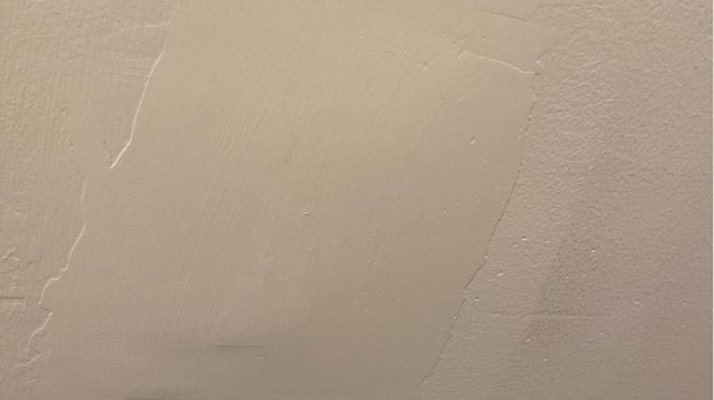
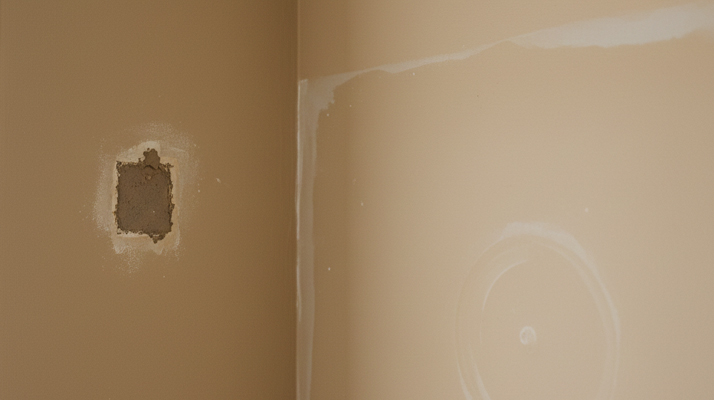
Shortcuts rarely disappear. They may hide for a while, but they come back. A skipped sanding step becomes a ridge once paint dries. A repair painted too soon shrinks underneath and leaves an outline. A surface not cleaned properly fails to hold material the way it should. Most of these things are not dramatic. They are small. But they stay visible because walls and ceilings magnify small mistakes over time. Taking time does not mean moving slowly for the sake of it. It means allowing each step to be finished before the next one begins.
Preparation Is the Work Most People Never See
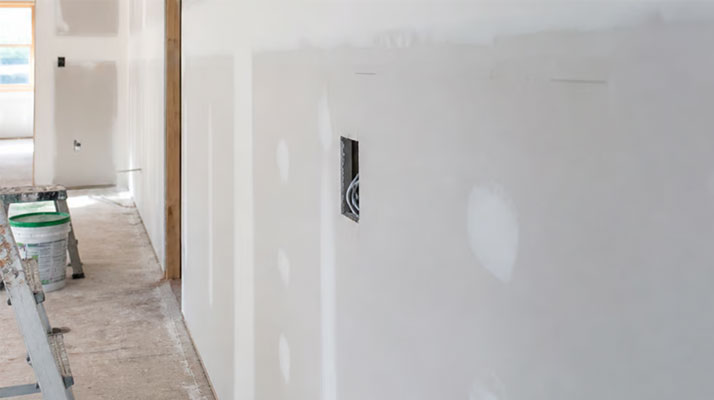
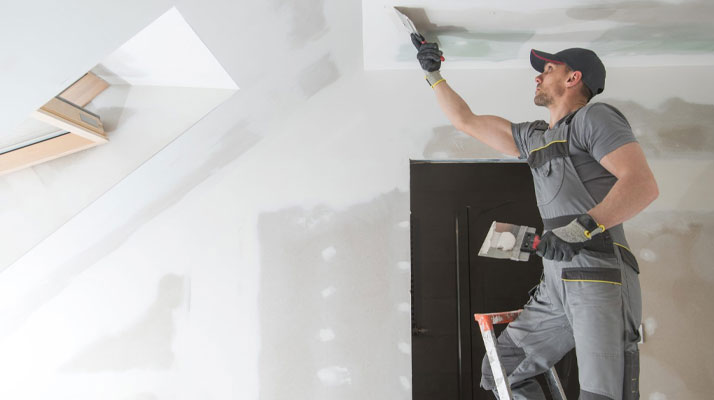
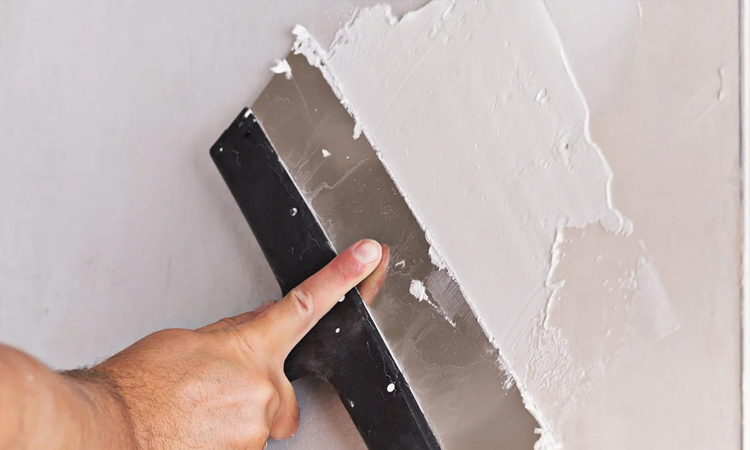
Preparation often looks like nothing is happening. Cleaning. Checking. Sanding. Filling. Waiting. There is no visual payoff in that moment, which is why it is often rushed. But preparation controls everything that follows. A surface that has been properly prepared behaves differently. Materials bond better. Repairs stay flatter. Finishes settle more evenly. When preparation is skipped, later steps turn into damage control instead of progress. More effort is spent trying to hide problems that could have been prevented.
Materials Need Time to Settle
Materials do not stay the same from one hour to the next. Compound tightens as it dries. Moisture leaves the surface. What looks level early on may not look that way later. Working too fast ignores this movement. Painting before repairs have fully settled traps those changes underneath. Over time, outlines appear where everything once looked smooth. Allowing time between steps lets the surface calm down. It gives materials a chance to finish moving before the next layer is added. That patience keeps repairs from reappearing.
Consistency Comes From Rechecking
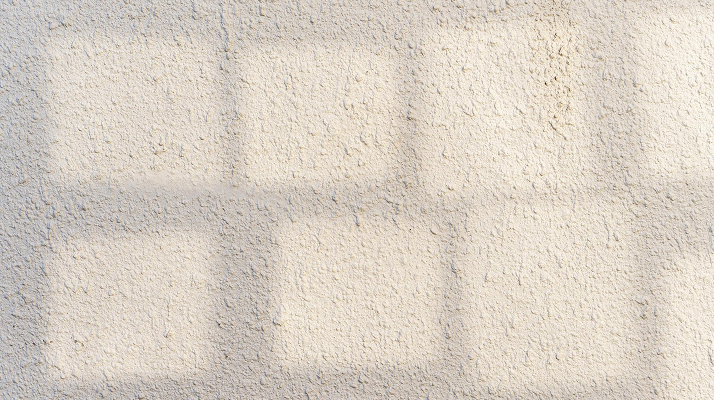
A properly finished surface holds up under different lighting. Daylight, overhead fixtures, and lamps all hit walls differently. What looks fine from one angle may stand out from another. Taking time means checking work more than once. Looking at it later. Seeing how it reacts once it has dried. Making small corrections before moving on.
Speed focuses on completion. Proper work focuses on how the space will feel once it is lived in.
Doing It Twice Always Takes Longer
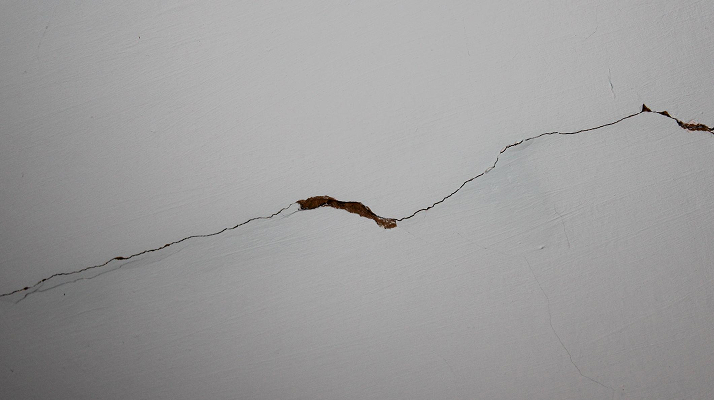
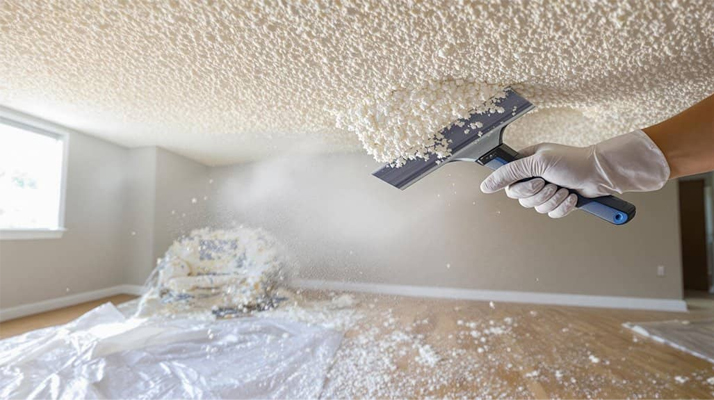
Rushed work often leads to repeat visits. A crack that comes back. A patch that becomes visible again. A ceiling that never quite looks right. Fixing something a second time almost always takes more effort than doing it properly the first time. It also creates more disruption. More dust. More inconvenience. More frustration. Time spent upfront protects against all of that.