


Why That One Spot Keeps Cracking
You Fix It, Step Back and It Looks Fine
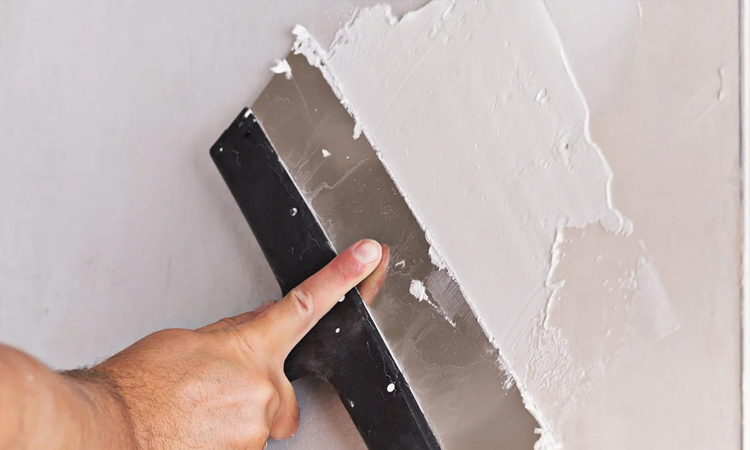
You run a little filler through the line, smooth it out, wait for it to dry, sand it down, and roll paint over it. From a few steps away, it’s gone. No line. No shadow. Nothing pulling your eye. You move on.
A Few Weeks Later, It’s Back
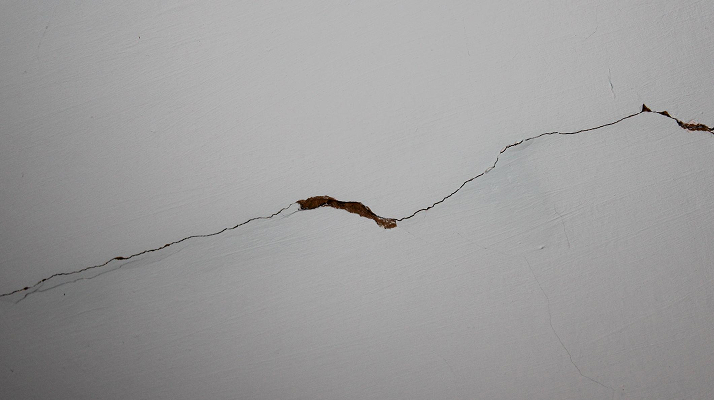
Not bigger. Not worse. Just the same thin line, sitting exactly where it was before. You notice it while walking past, not even looking for it. That’s what makes it irritating. It feels like the wall ignored everything you just did.
So you do it again.
It Keeps Choosing the Same Place
That’s the clue. If it shows up in the exact same spot, it isn’t random. It isn’t bad luck or a one-time issue. Something at that location keeps opening up, even after you cover it. Covering it is all you’ve been doing.
Paint Doesn’t Hold Anything Together
It hides. That’s its job. It doesn’t reinforce a joint. It doesn’t stop movement. It just sits on top of whatever is happening underneath. If the surface below shifts even slightly, the paint layer goes along for the ride until it splits again. So the line comes back.
There’s Movement You Can’t See
Walls aren’t perfectly still. They expand, contract, settle, and carry small stresses over time. Most of that happens without you noticing. But where two pieces meet, or where something wasn’t tied together properly, that movement shows up as a crack. It doesn’t need much.
Just enough.
That’s Why It Reopens Instead of Spreading
It’s not traveling across the wall. It’s returning to the same weak point.
That spot is taking the stress every time, so it opens in the same line instead of creating new ones elsewhere. You’re seeing the same issue, not a new one.
Quick Fixes Don’t Change the Behavior
Filler smooths the surface. Paint makes it disappear. Neither one changes how that section of the wall handles pressure. So when the wall moves again, the repair can’t absorb it. It splits, and you’re back where you started.
The Fix Has to Go Under the Surface
That’s where it usually stops being a DIY fix. The joint needs support, not just coverage. That means reinforcing it, layering it properly, and spreading the repair beyond the crack itself so there’s no hard edge where it can reopen. It’s less about closing the line. More about stabilizing the area around it.
Blending Is What Makes It Disappear
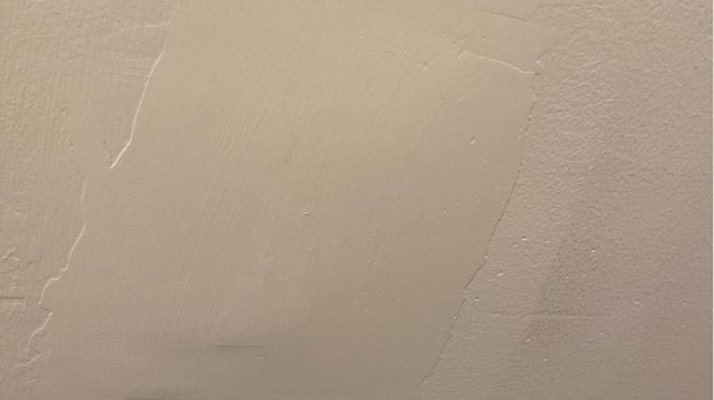
Even after it’s fixed underneath, the surface still needs to match. If the repair area reflects light differently, you’ll see it at certain angles. If the texture doesn’t line up, it’ll stand out even without a crack. So the repair has two parts. Make it hold. Make it match.
You Notice the Difference When It Doesn’t Come Back
That’s the real test. Not how it looks right after you finish. How it looks a month later. If you stop checking that spot, if you walk past without expecting to see the line again, that’s when you know it was handled properly.
This Is Where Experience Shows
A recurring crack isn’t about filling the gap again. It’s about figuring out why it keeps opening. At Paul's Handyman & Remodeling Service, the approach isn’t to repeat the same surface fix. It’s to correct what’s causing that one spot to fail every time.