


How Color, Texture, and Finish Work Together to Define a Home’s Personality
A home starts speaking before anything is hung on the walls or placed on the floors. The feeling of a space comes from the surfaces that surround it every day. Walls, ceilings, and corners quietly shape how a room feels to live in. Color, texture, and finish do most of that work, even when they are not consciously noticed. When these elements sit well together, the home feels settled. When they do not, the space can feel awkward, unfinished, or strangely uncomfortable without a clear reason why.
Color Creates the First Impression
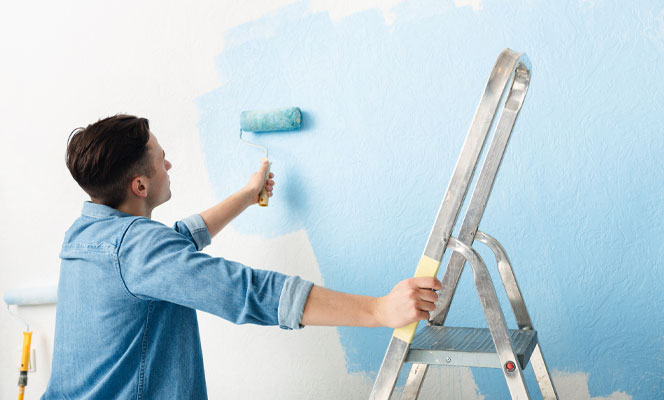
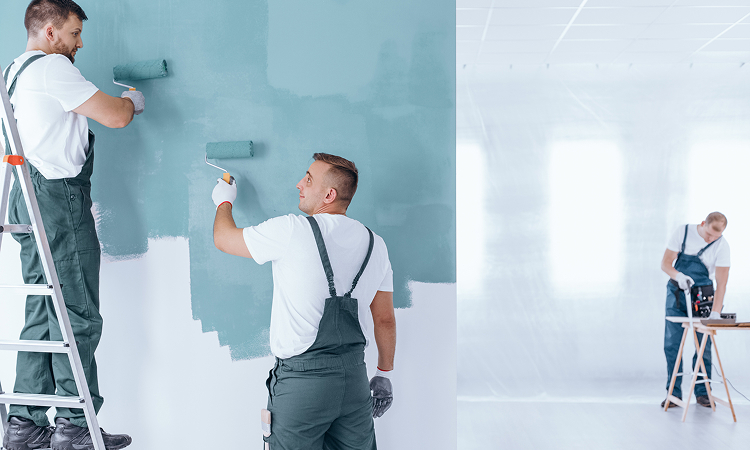
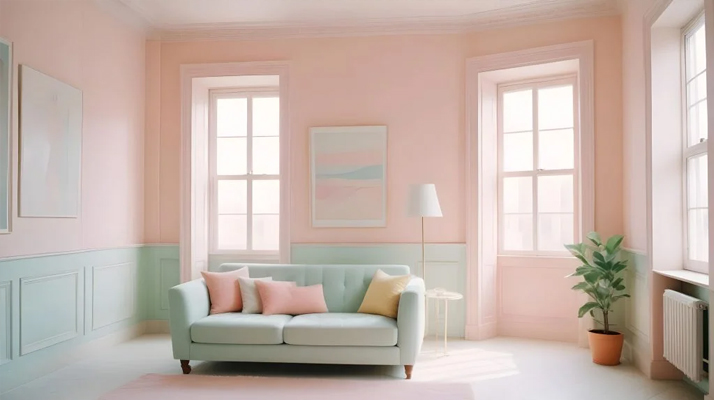
Color sets the direction for how a space feels the moment someone enters. Light shades tend to make rooms feel open and calm. Deeper tones can bring warmth and weight, but they also change how a room carries light. Color is rarely just about preference. It reacts to the size of the room, the direction of windows, and even the time of day. A shade that feels soft in the morning may look dull or heavy by evening. That shift is often overlooked and becomes noticeable only after the room has been lived in for a while. Homes with a strong sense of personality usually rely on restrained color choices rather than bold ones everywhere. Color works best when it supports the space instead of competing with it.
Texture Shapes How a Room Feels Up Close
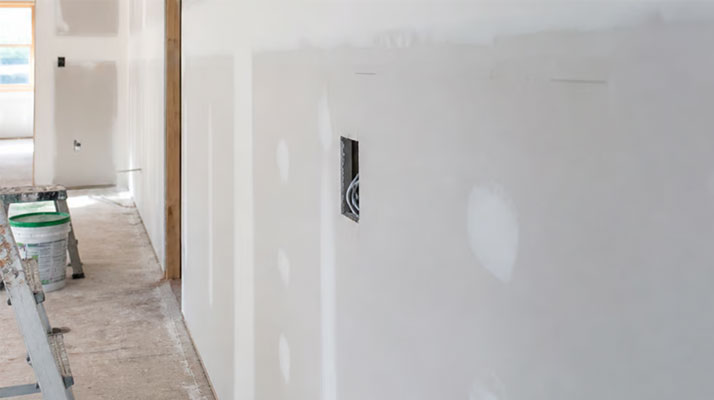
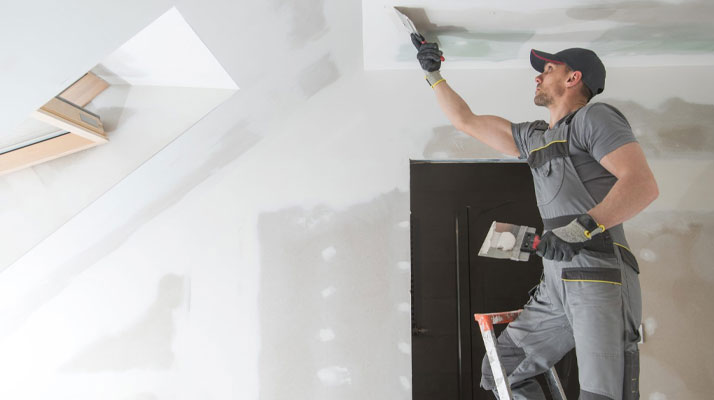
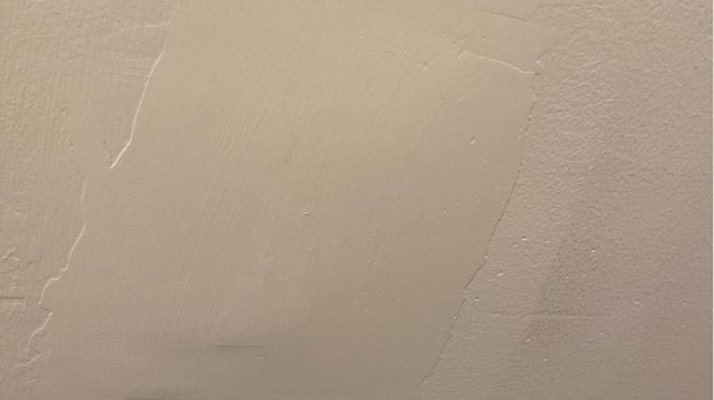
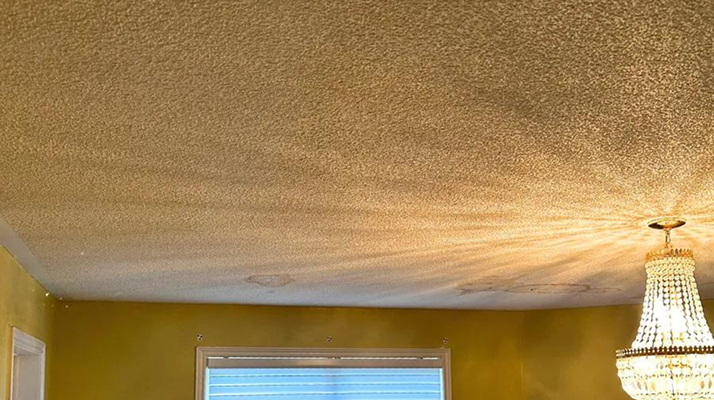
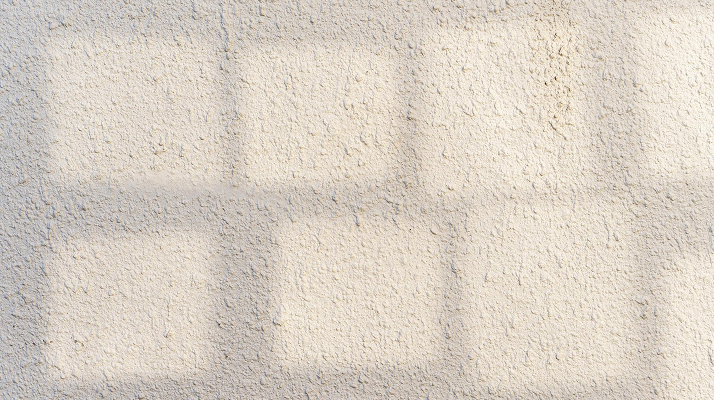
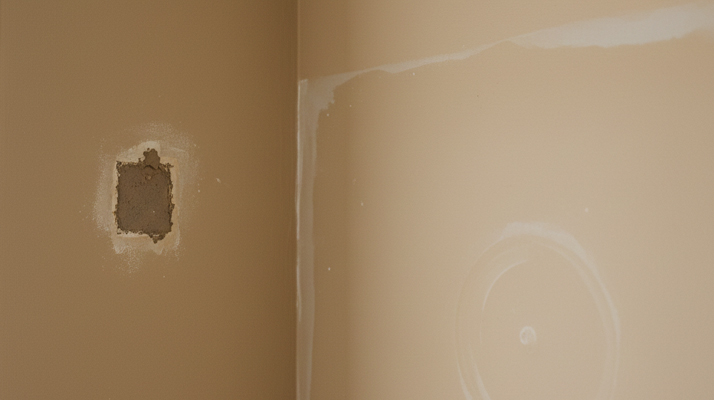
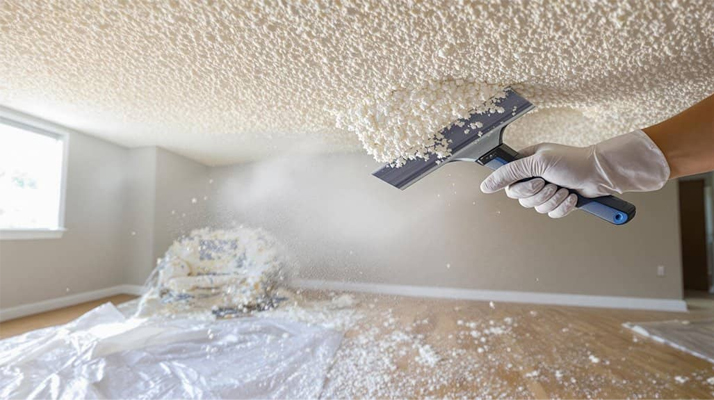
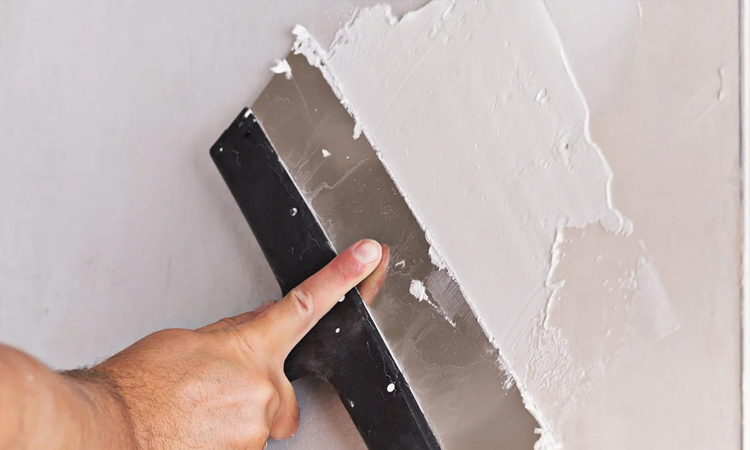
Texture is what gives surfaces character when color alone feels flat. Smooth walls create a clean and quiet backdrop. Light texture softens a room and hides minor flaws without calling attention to itself. Heavy texture tends to dominate a space, sometimes more than intended. Ceilings play a big role here. A textured ceiling immediately draws the eye upward. In some cases, that adds interest. In others, it distracts from the rest of the room. A smoother ceiling usually allows walls, furniture, and light to do their job without interruption. Texture also changes how a space feels when moving through it. Rooms with too many competing textures can feel busy. Rooms with none at all can feel cold. Balance matters more than variety.
Finish Controls Light and Mood
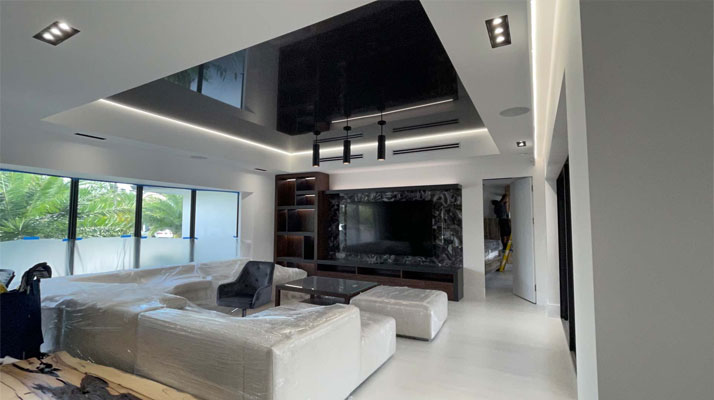
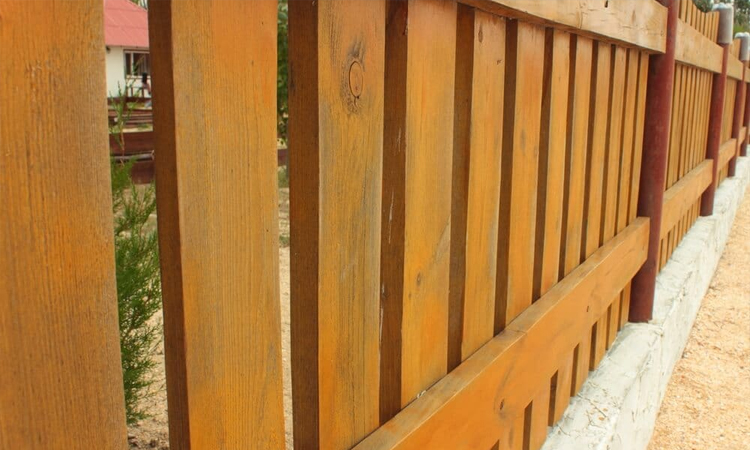
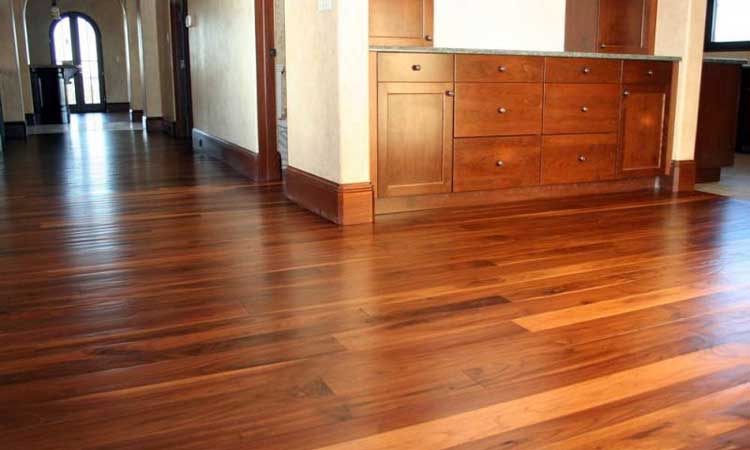
Finish is often chosen last, yet it has a strong effect on how everything comes together. Flat finishes absorb light and create a softer look. The same color can look completely different depending on finish. A soft color with too much shine can feel harsh. A deeper color with no sheen at all can feel heavy. Finish determines whether a wall quietly blends in or constantly catches the eye. Finish also affects how a space is used. Walls in busy areas benefit from finishes that handle wear. Quieter spaces can lean toward softer finishes that create a relaxed atmosphere.
How These Details Influence Each Other
Color, texture, and finish are never separate decisions. They work together whether intended or not. A smooth wall highlights color more clearly. A textured wall breaks it up. A glossy finish exaggerates both. Problems usually appear when one element is chosen without considering the others. A bold color on a heavily textured surface can feel overwhelming. A subtle color on a perfectly smooth wall may feel empty without the right finish. Homes that feel natural usually follow a consistent approach. Textures are limited. Finishes are repeated. Colors flow from room to room without sudden changes.