


The Ceiling You Stopped Looking At
You Looked Once, Then Never Again
When you first saw the room, you looked up. Everyone does. Quick scan. Corners, light fixture, maybe the texture. You register it without thinking too much. Then that’s it. After that, your eyes stay at eye level. Walls matter. Furniture matters. The ceiling just stays out of the way.
It Becomes Something You Live Under, Not With
You don’t interact with it. You don’t decorate it. You don’t adjust it. You don’t even really check it unless something forces you to. So whatever is happening up there keeps going unnoticed. It usually is something.
That Texture Isn’t Just a Style Choice
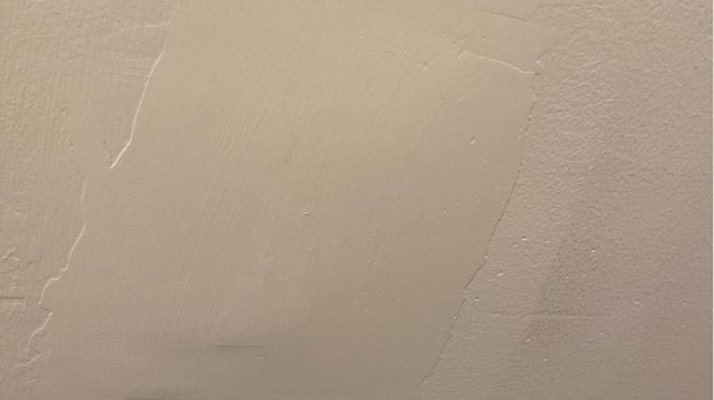
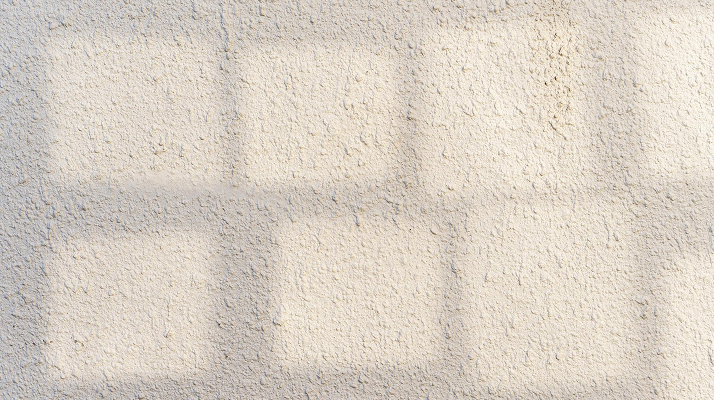
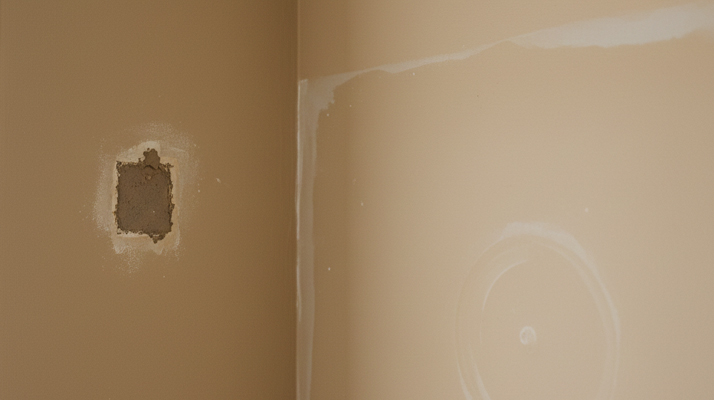
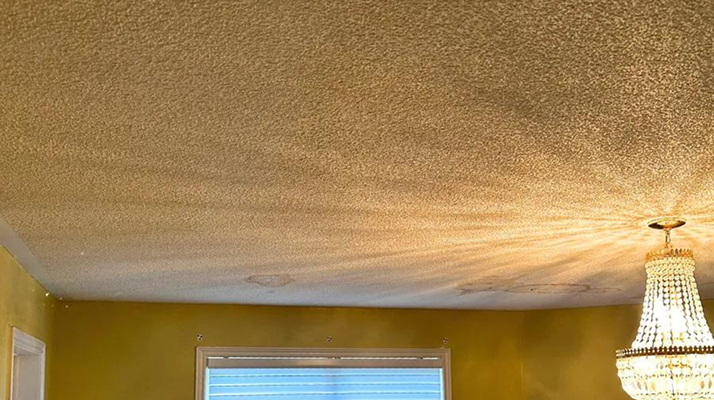
That rough, uneven surface wasn’t only about looks. It hides things. Small patches. Slight cracks. Areas that were fixed quickly and blended just enough to pass. Old stains that got covered instead of treated. It breaks up the surface so your eye doesn’t land anywhere specific. Which means problems don’t stand out.
You Might Catch a Glimpse, Then Drop It
Every now and then, something pulls your attention up. A shadow that feels off. A spot that looks a little darker. A section that doesn’t match the rest.
You look for a second. Then you go back to what you were doing. Because it’s not in your way.
Time Passes, the Ceiling Stays the Same
Walls get repainted. Things get updated. The ceiling stays exactly how it was. Year after year, it carries whatever was done to it before. Good work, rushed fixes, things that were never fully handled. All of it stays in place.
The Light Doesn’t Expose It Clearly
Ceilings don’t get that side light walls do. So the surface doesn’t get tested the same way. You don’t see the unevenness unless you really try to.
Which makes it easy to assume it’s fine.
When You Finally Pay Attention, It’s Not One Issue
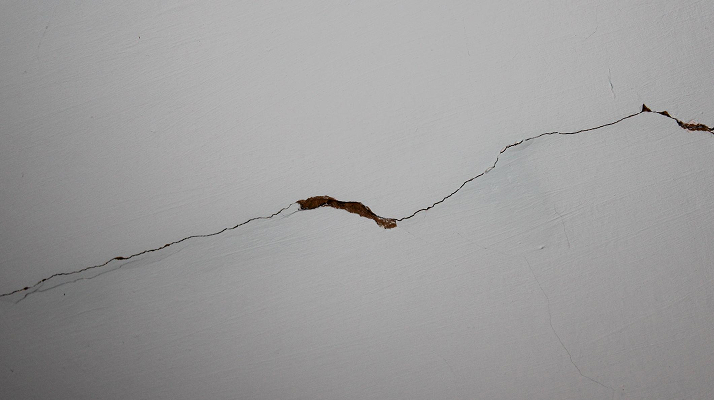
It’s a mix. A slightly uneven patch here. A line that might be a crack. Texture that looks heavier in one area and lighter in another. Nothing serious on its own. But together, it doesn’t feel clean.
Removing the Texture Changes What You See
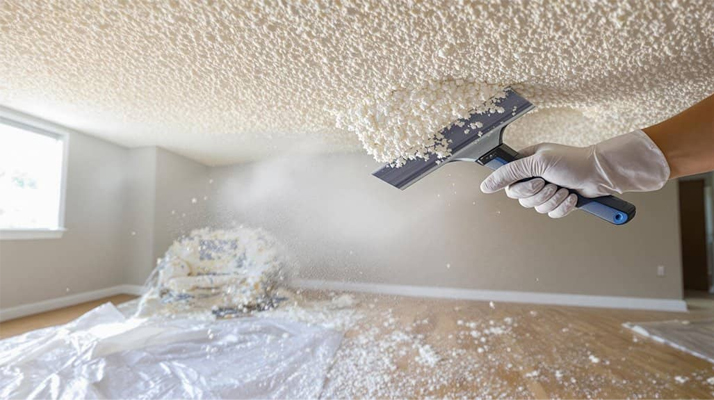
Once that rough layer is gone, there’s nothing hiding the surface anymore. Whatever is underneath shows up clearly. Sometimes that’s a relief. Sometimes it’s a surprise. Either way, it’s honest.
Now the Work Actually Starts
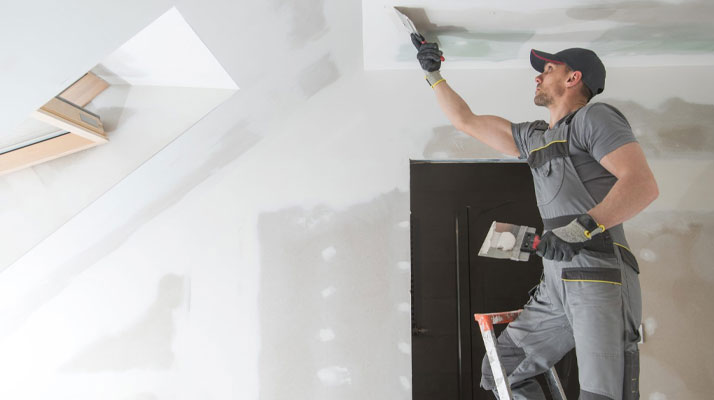
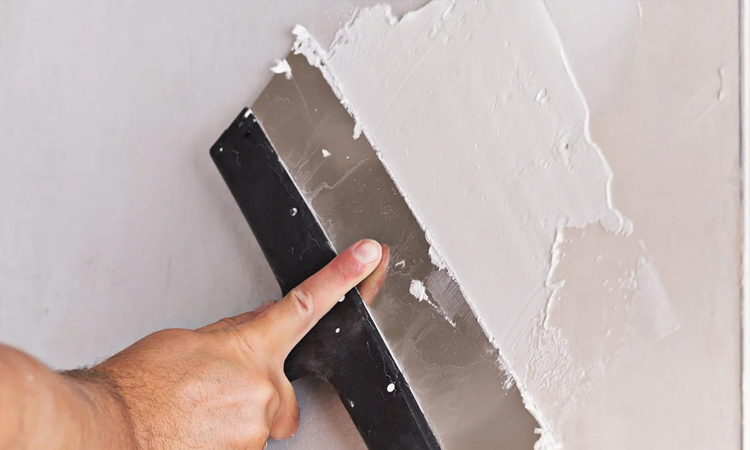
Because now it can be fixed properly. Cracks aren’t just covered, they’re reinforced. Patches aren’t just filled, they’re leveled out. The surface gets treated as one continuous plane instead of a collection of small fixes. It takes more time. But it holds.
The Finish Looks Simple, Because It Is
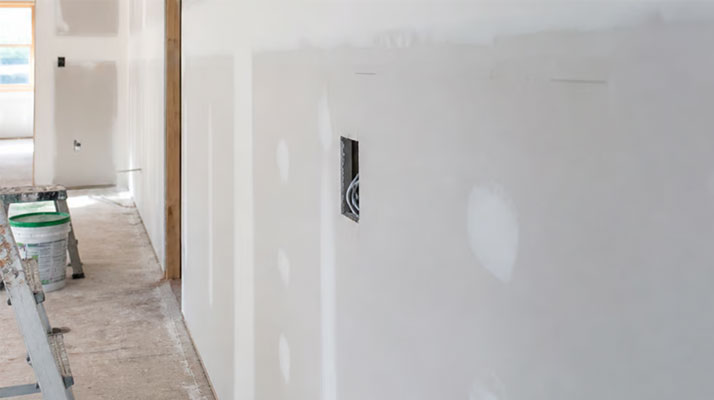
No texture breaking it up. No uneven sections catching light differently.
Just a clean surface that reflects light evenly across the room. Nothing stands out. Which is exactly the point.
This Is Where the Work Matters
Taking the texture off is one step. What comes after decides how the ceiling actually looks. At Paul's Handyman & Remodeling Service, the focus is on that part, making sure what’s underneath is done right, not just uncovered.