


The Wall That Looks Fine Until 4 PM
Morning Doesn’t Tell You Much
You walk past it with coffee in your hand. Nothing jumps out. The paint looks even. The color sits right. You don’t slow down because there’s no reason to. If anything, you feel a small sense of relief that it turned out fine. Most walls pass this test. Morning light is forgiving like that.
Midday Still Keeps the Secret
By noon, the room is bright. Light fills everything evenly. There are no sharp shadows, no harsh angles. The wall still lo oks clean, still looks finished. If you had guests over at this time, you wouldn’t think twice about it. You’d probably point it out, even. “Just got that done.” It would hold up.
Then Late Afternoon Changes the Rules
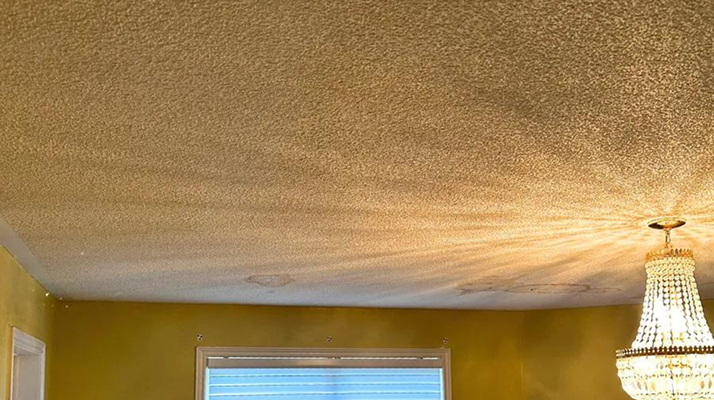
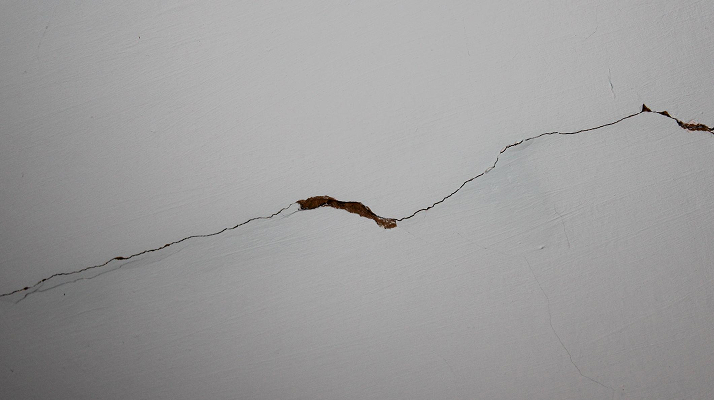
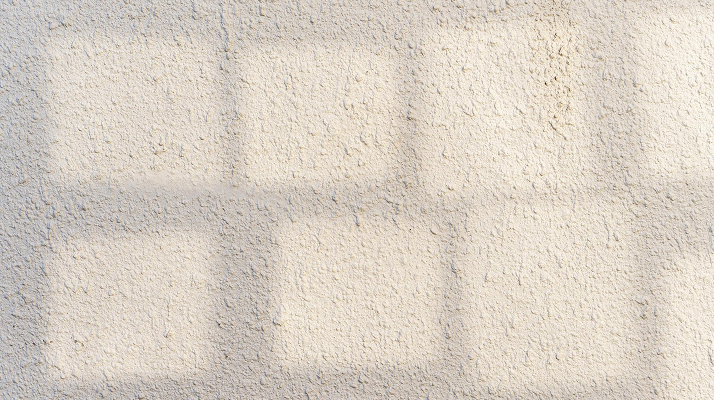
Around 4 PM, the light stops coming in straight. It starts sliding across the wall instead. Not flooding the room, just brushing the surface. That’s when things shift. Not suddenly, but enough that your eye catches something it didn’t earlier. A faint line. A soft shadow that doesn’t belong. You stop for a second.
You Move Your Head to Check If It’s Real
You lean slightly to one side. Then the other. From one angle, it disappears. From another, it shows up again. Not strong enough to call damage, not clear enough to ignore. It’s just there. Now that you’ve seen it, it’s hard to unsee.
The Paint Didn’t Cause It
Paint doesn’t create those marks. It reveals what’s underneath. When light hits straight on, it hides uneven surfaces. When it comes from the side, it traces them. Every slight dip, every raised edge, every area that wasn’t blended properly becomes visible. That’s why it looked fine earlier. The light wasn’t asking questions yet.
The Wall Was Never Fully Even
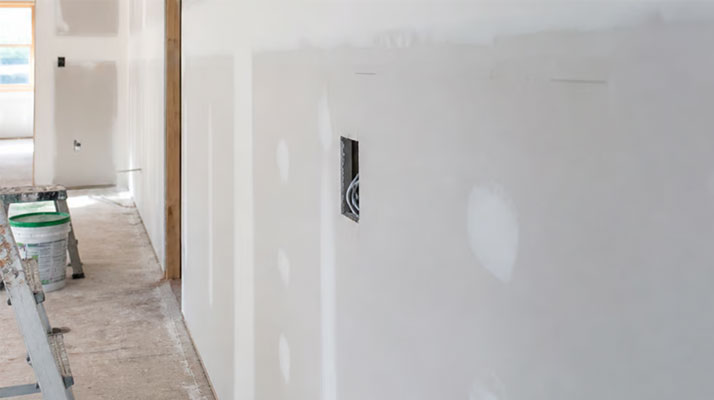
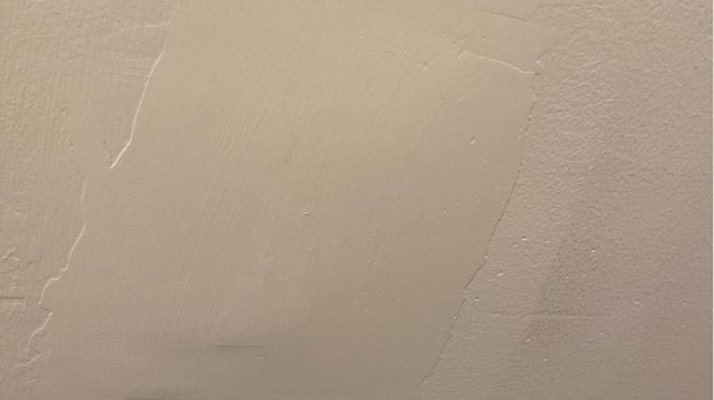
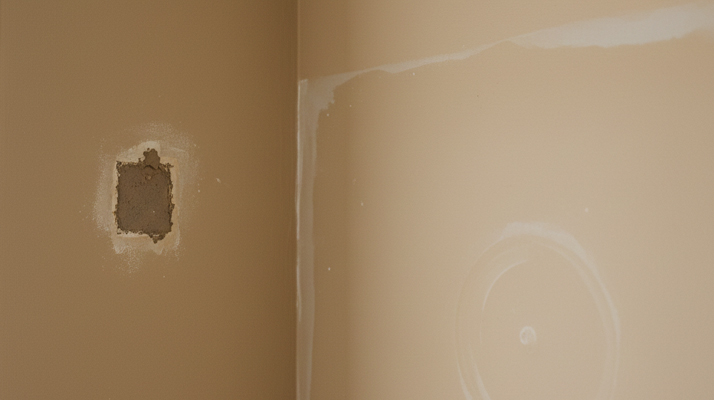
It only looked that way. A patch might have been sanded, but not enough. A seam might have been covered, but not feathered out. The texture might be close, but not consistent. Up close, it passes. Under angled light, it doesn’t.
You Start Noticing the Same Spot Every Day
It becomes a routine. Around the same time, the same line shows up. Same shadow, same place. You don’t go looking for it anymore. You expect it. Once something becomes predictable like that, it stops feeling like a one-time issue.
Covering It Again Doesn’t Work
Another coat of paint seems like the easy fix. It might soften the look for a day or two. But the next time the light hits at that angle, it comes back. Because nothing underneath changed. You didn’t fix the surface. You just added another layer over it.
The Issue Is in the Finish, Not the Color
What you’re seeing isn’t a paint problem. It’s a surface problem. The wall isn’t one continuous plane. It’s a combination of slightly uneven areas that only show when the light moves across them. Fixing it means going back to that level.
Real Repair Means Blending, Not Filling
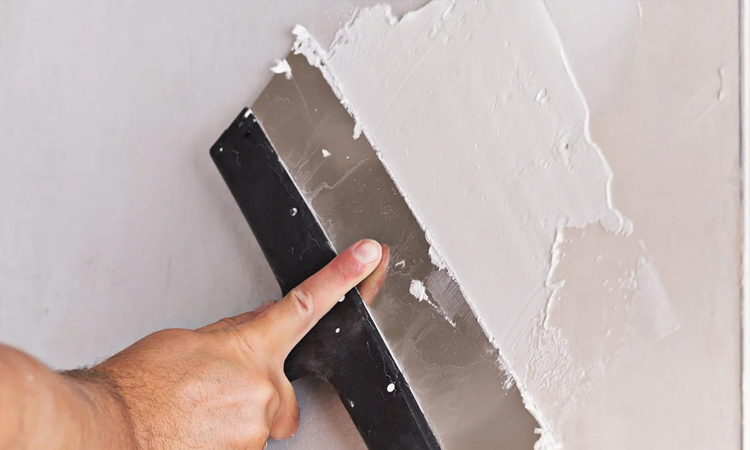
A proper fix doesn’t stop at patching. It spreads out. The repaired area gets feathered into the surrounding wall so there’s no edge. The texture gets recreated so it reacts to light the same way as everything around it. Nothing should stand out. Even when the light is at its worst angle. Color Consultation.