


The Patch That Doesn’t Match
It Disappears Up Close
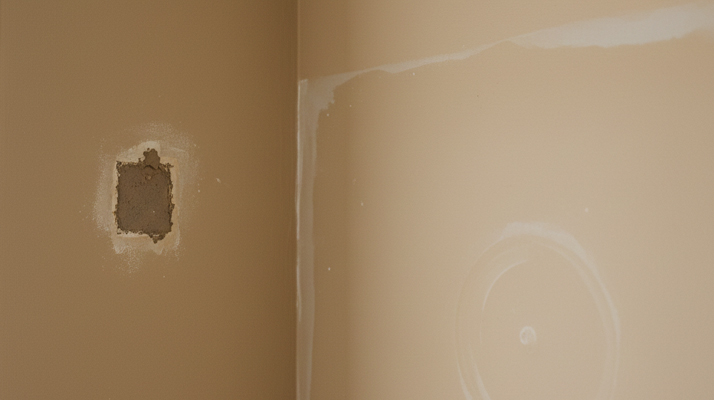
You stand right in front of it. The hole is gone. The surface feels smooth. Paint looks even. If you only check it from a foot away, you’d say it’s done. You walk away. That’s when it shows up.
It Lives in the “Almost” Zone
Not obvious enough to call a mistake. Not clean enough to ignore.
You can’t point to it immediately, but your eye keeps drifting back to the same area. It’s like the wall has a small hesitation in it. Everything else looks steady. That one spot doesn’t.
Distance Is What Reveals It
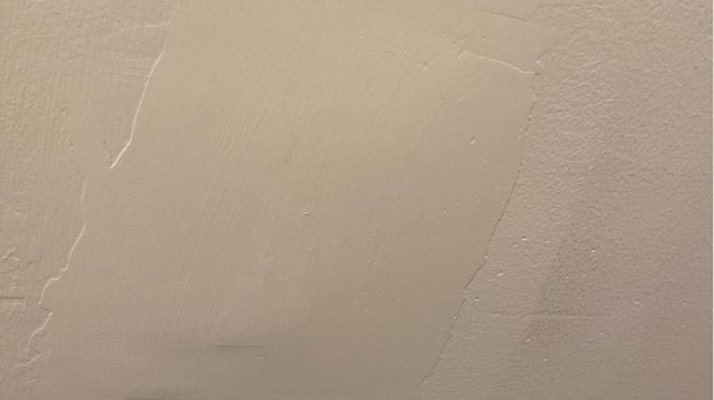
Step back six or eight feet. Now the wall reads as one surface, and the patch becomes a separate piece inside it. The color might be the same, but the way it catches light isn’t. A faint halo. A soft edge. Something that shouldn’t be there. You didn’t see it before because you were too close.
Light Doesn’t Treat It the Same
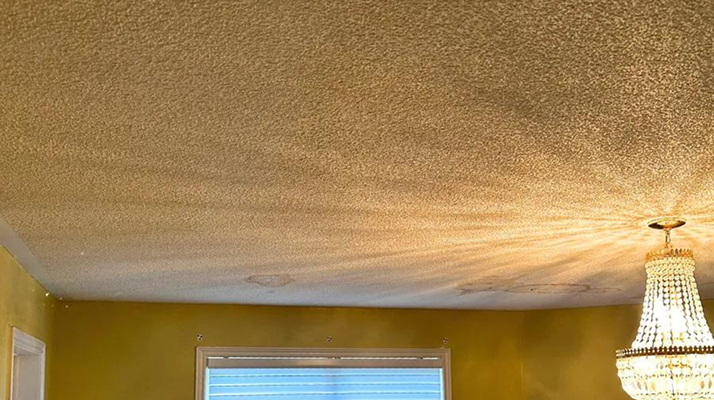
Look at it in the morning, fine. Come back later, a different story. When light slides across the wall, it finds the edge of the repair. Even if you can’t see a line, you can see a change in how that section reflects. That’s enough.
The Issue Isn’t the Hole. It’s the Transition
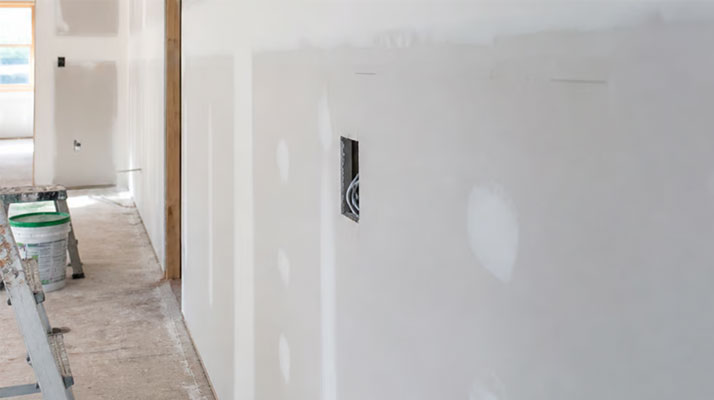
Filling the center is easy. What surrounds it is where things go wrong. If the repair stops too abruptly, you get a visible edge. If it spreads but isn’t feathered out properly, you get a shallow dip. Either way, the wall stops behaving like one continuous plane. Your eye picks that up fast.
Texture Makes It More Obvious
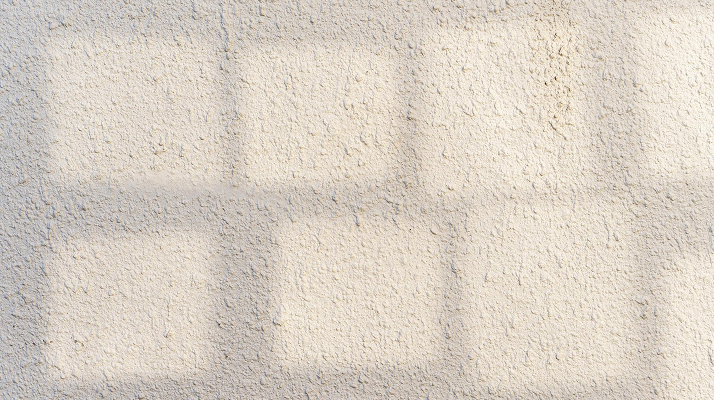
Even a “smooth” wall has character. Tiny variations, barely noticeable, until you try to match them. If the patch is slightly flatter, it reflects light differently. If it’s slightly rougher, it breaks the light in another way. Either mismatch stands out once you step back. So the repair has to match what’s already there, not what looks perfect on its own.
Fresh Paint Can Make It Worse
You’d think a new coat would hide everything. Instead, it often outlines the patch. The repaired area is newer, cleaner, and absorbs paint differently. It can flash under certain light, meaning it shows a different sheen than the surrounding wall. Now the patch doesn’t just exist. It announces itself.
You Start Checking It Without Meaning To
Every time you pass, you glance at it. Not on purpose. Just to see if it still looks off. It always does, just enough to bother you. That’s when you know it wasn’t finished right.
A Real Fix Doesn’t Stay in One Spot
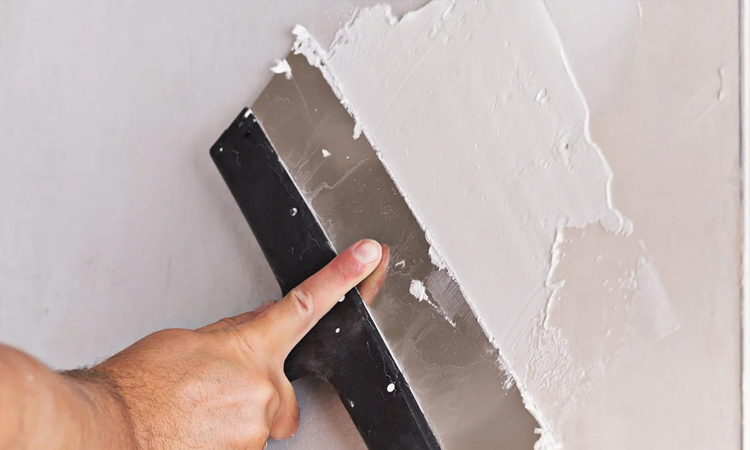
It spreads out. The repair gets extended beyond the original hole so there’s no clear boundary. Edges are softened, blended, worked into the surrounding surface until there’s no obvious start or end point. It stops being a patch. It becomes part of the wall.
Matching the Surface Is Half the Work
Getting it level is one thing. Getting it to behave the same way under light is another. That means controlling the thickness of the compound, how it’s sanded, and how the final coat sits. Small differences at that stage are what create the mismatch later. So the finish matters as much as the repair. Contact us now for more information.